Neurodiagnostic Technology
Why Study Neurodiagnostic Technology
What is Neurodiagnostic Technology?
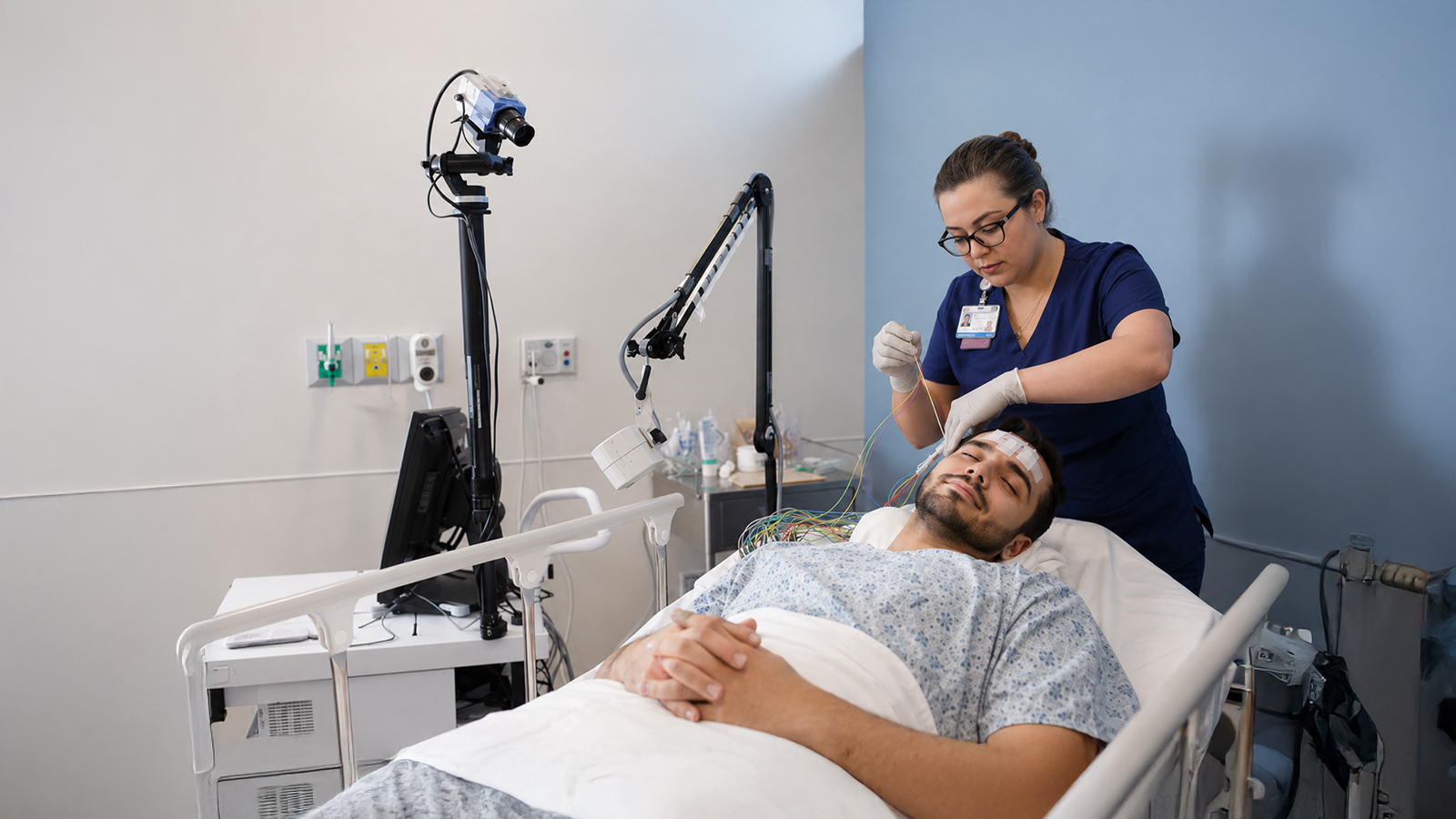
Neurodiagnostic Technology (NDT) is a specialized allied health profession dedicated to evaluating the function of the brain, spinal cord, peripheral nerves, and other parts of the nervous system. Using advanced diagnostic equipment, neurodiagnostic technologists record, monitor, and analyze the electrical activity of the brain and nervous system to help physicians diagnose, monitor, and treat a wide variety of neurological disorders.
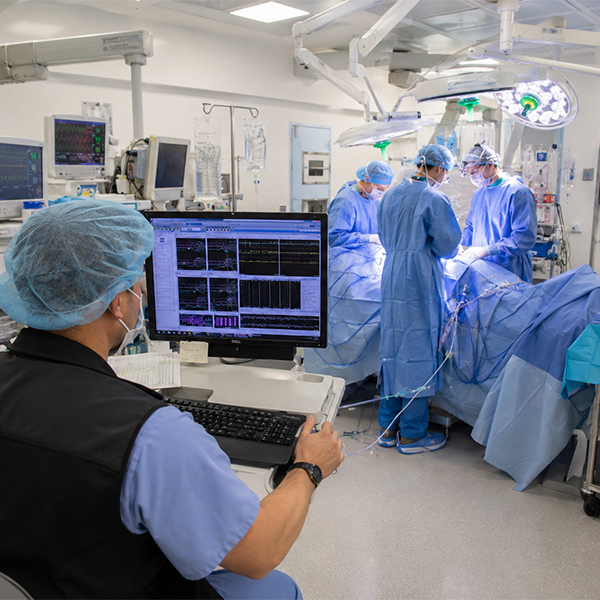
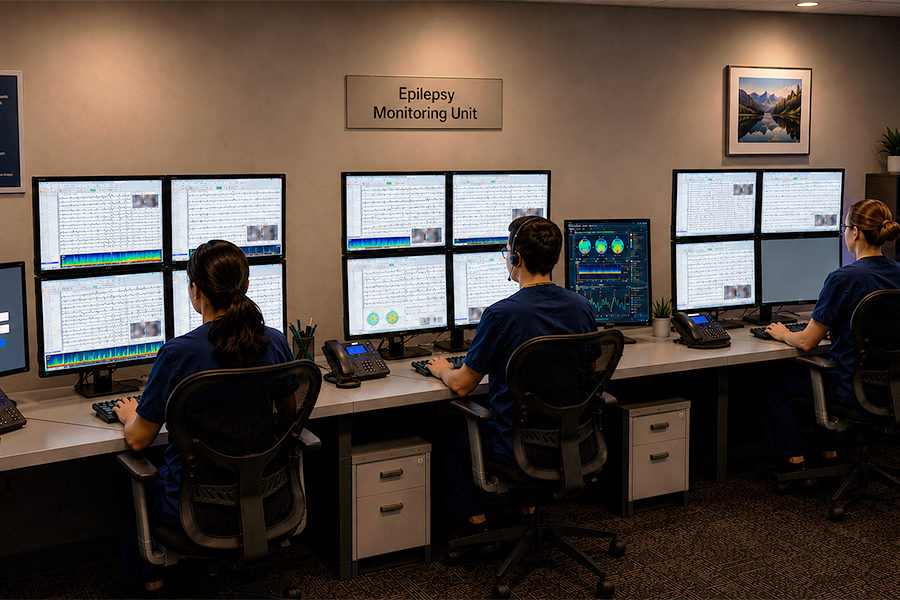
Neurodiagnostic technologists work directly with patients of all ages in a variety of healthcare settings, including hospitals, epilepsy monitoring units, intensive care units, operating rooms, outpatient clinics, physicians' offices, sleep centers, and research institutions. They obtain patient histories, prepare patients for testing, apply recording electrodes and sensors, operate advanced diagnostic equipment, monitor neurological function, and document findings for physician interpretation.
Neurodiagnostic testing plays a critical role in the diagnosis and management of many neurological conditions, including epilepsy, stroke, brain tumors, traumatic brain injury, coma, dementia, multiple sclerosis, neuropathies, sleep disorders, neuromuscular diseases, and other disorders affecting the nervous system.
The inclusion of a link to ASET—the Neurodiagnostic Society website or its Neurodiagnostics career videos—is provided solely as an educational resource for students exploring this healthcare career. This link does not constitute an endorsement, recommendation, sponsorship, or approval by ASET of Foothill College.
About Our Program
The Neurodiagnostic Technology Program at Foothill College is the first and only Neurodiagnostic Technology program in Northern California. Designed to prepare students for careers in this rapidly growing healthcare profession, the program combines rigorous academic instruction with extensive hands-on clinical experience. As the prevalence of neurological disorders continues to rise and access to specialized neurological care expands, healthcare systems throughout California and across the United States continue to experience a significant shortage of qualified neurodiagnostic technologists, creating exceptional career opportunities for program graduates.
Over the course of approximately 21 consecutive months, students complete classroom lectures, on-campus laboratory instruction, and supervised clinical externships at affiliated healthcare facilities. This comprehensive curriculum provides the scientific knowledge, technical skills, and professional experience necessary to perform a wide range of neurodiagnostic procedures and deliver compassionate, patient-centered care.
Upon successful completion of the program, students earn an Associate in Science Degree in Neurodiagnostic Technology. The curriculum is designed to prepare graduates with the foundational knowledge and clinical experience to pursue national credentialing through the American Board of Registration of Electroencephalographic and Evoked Potential Technologists (ABRET), consistent with applicable eligibility requirements.
Students gain experience performing procedures such as:
- Electroencephalography (EEG)
- Long-Term Monitoring (LTM) – Critical Care ICU/ Epilepsy Monitoring Units
- Evoked Potentials (EP)
- Intraoperative Neurophysiological Monitoring (IONM)
- Nerve Conduction Studies (NCS)
- Polysomnography (Sleep Studies)
- Autonomic Function Testing (AFT)
- Artificial Intelligence Applications in Neurodiagnostics
As neurological diseases become more prevalent and access to advanced neurological care continues to expand, the demand for highly trained neurodiagnostic technologists is growing throughout California and across the United States.
Foothill College's Neurodiagnostic Technology Program prepares students with the scientific knowledge, technical skills, and supervised clinical experience needed to enter this rewarding healthcare profession. Graduates are prepared to provide compassionate, patient-centered care while using advanced technology to improve the diagnosis and treatment of neurological disorders.
Quick View - Neurodiagnostic Technology
Program: Neurodiagnostic Technology
Degree Awarded: Associate in Science
Length: 21 months
Start: September (every other year beginning 2027)
Schedule: Full-time
Number Accepted: 12
Application Window: Jan. 1–March 31
Application Deadline: March 31
Prerequisites: Yes
Approx. Cost of Program Tuition: $7,500–$8,500
National Certification: National professional credentials are awarded through ABRET. The Foothill College Neurodiagnostic Program intends to apply for CAAHEP accreditation once eligibility requirements have been met.
State Lic. Cert.: Not Required
Est. Annual Salary: Bay Area: approximately $90,000–$140,000+ annually*
*Salary varies by employer, specialty, credentials, and experience.
Ready to Apply?
The Neurodiagnostic Technology Program is a 21-month, selective-admission program. Review the program prerequisites and application requirements before applying.
Read Prerequisites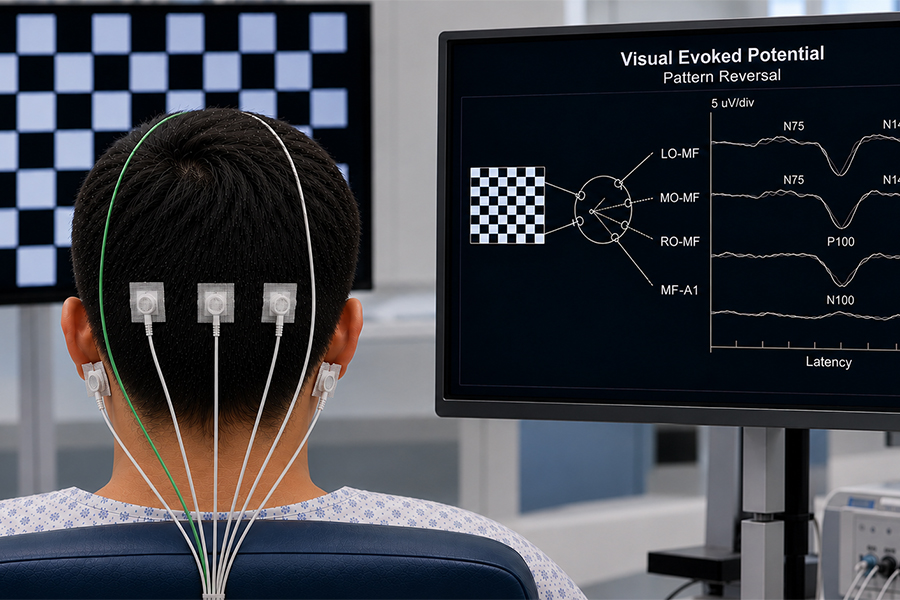
Press & MediaExplore news coverage and stories about Foothill College’s Neurodiagnostic Technology program and its role in preparing the next generation of neurodiagnostic professionals. UCSF Health to Launch New Neurodiagnostic Technologist Program | Newswise How to Fill a Shortage of Specialists in ALS, Epilepsy, and Stroke | UC San Francisco |
What You Can Do with a Degree in Neurodiagnostic Technology
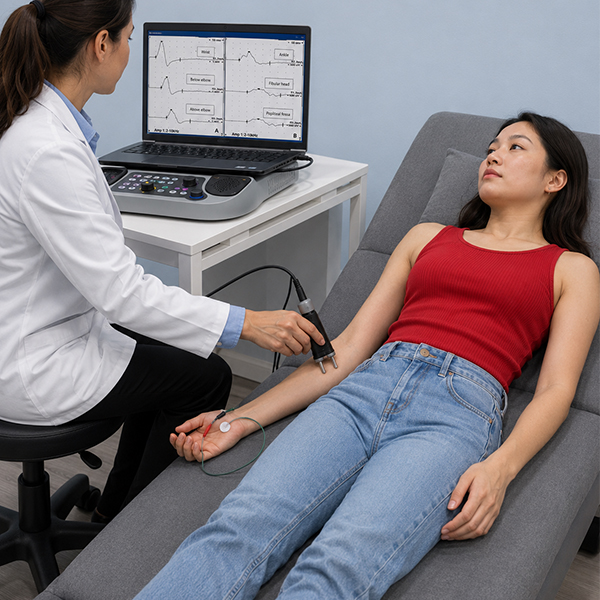
A degree in Neurodiagnostic Technology prepares graduates for careers in:
- Hospitals
- Academic Medical Centers
- Epilepsy Monitoring Units
- Intensive Care Units
- Operating Rooms
- Outpatient Neurology Clinics
- Sleep Centers
- Research Facilities
- Medical Device Industry
- Clinical Education and Leadership
As you gain experience and additional professional credentials, opportunities expand into specialized practice, education, leadership, management, research, and industry roles.
Degrees & Certificates
View the list below for programs offered at Foothill. Then select a program map for a possible schedule that fulfills program and college requirements.
For program requirements and full course listings—information coming soon.
Associate in Science
- Neurodiagnostic Technology, AS Program Map—Information Coming Soon
Program Mission, Goals & Outcomes
1. Students will demonstrate clinical competence
Student Learning Outcomes
- Perform neurodiagnostic procedures using appropriate patient preparation, electrode application, instrumentation, and technical protocols.
- Obtain high-quality diagnostic recordings while following patient safety and quality assurance standards.
2. Students will communicate effectively
Student Learning Outcomes
- Demonstrate effective verbal communication with patients and healthcare professionals.
- Produce accurate and professional written documentation.
3. Students will apply critical thinking
Student Learning Outcomes
- Recognize normal and abnormal neurophysiological findings.
- Apply critical thinking to adapt procedures and troubleshoot technical issues.
4. Students will demonstrate professionalism
Student Learning Outcomes
- Demonstrate ethical behavior, accountability, and professionalism.
- Provide compassionate, culturally responsive, patient-centered care.
Related Programs and Degrees


