Focusing the Lens: How Foothill Helped a Student Find a New Path
August 25, 2026
For Michael, photography didn't begin as a career goal. It began as survival. Just a few years ago, he was on track to a very different future: back then, he was an EMT on an ambulance, interviewing with fire departments, preparing for a career as a firefighter-paramedic. But his plans were cut short after a severe back injury on the job. That’s when everything changed.
The injury left Michael with three herniated discs and nerve impingements, forcing him to leave the profession he loved. Years of workers' compensation claims, legal battles, chronic pain, and delayed treatment followed. At the same time, Michael was confronting PTSD from his years as an EMT, where he witnessed some of the darkest moments in people's lives.
"I was scared of what I'd see when I closed my eyes," he recalled of the nightmares that kept him awake for days at a time. He turned to self-help books and meditation and one day, sitting and looking up at the trees, he saw hummingbirds dancing around. They were so small and hard to see, so he ended up buying a camera so he could zoom in and capture their movements.
Michael's first camera was a Canon T7. But rather than relying on automatic settings, he was determined to teach himself photography from the ground up, learning manual exposure, aperture, shutter speed, ISO, and composition through countless hours of practice.
Sometimes he took 500 photos in a single day. "I'd photograph rocks, leaves, tree bark—anything," he said. "I just wanted to understand light."
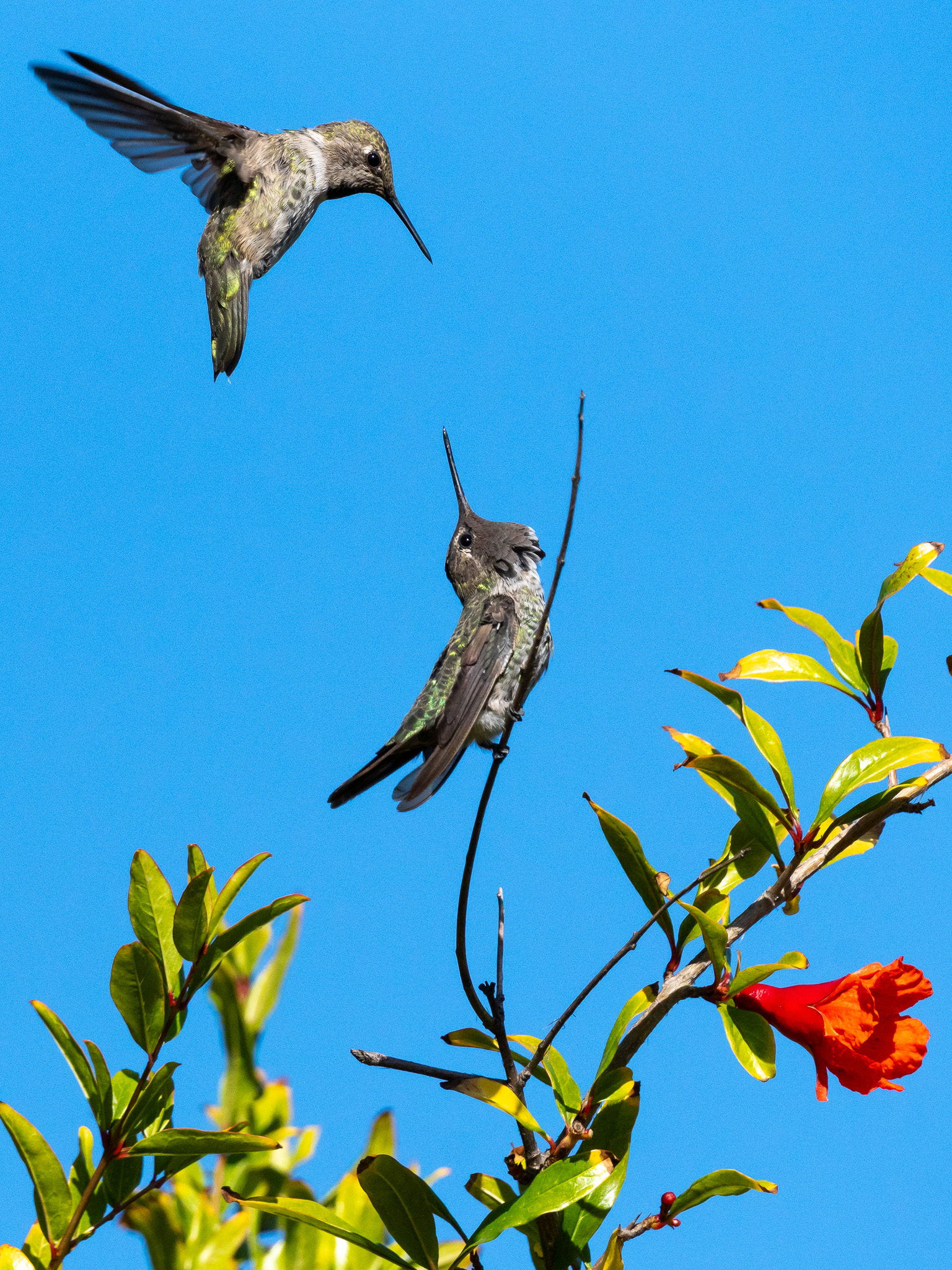
Soon he had accumulated thousands of photographs of hummingbirds and other wildlife and what started as a hobby turned into the structure he needed to pull him away from long days filled with pain, uncertainty, and isolation. But there was one thing he refused to photograph: people.
"My experiences on the ambulance made me stop seeing the good in people," he said. "For a long time, I photographed anything that moved... that wasn't a person."
When Michael enrolled at Foothill College, his goal was to complete the prerequisites for the radiologic technology program, a profession he hoped would allow him to continue helping others despite his physical limitations. But his interest in photography led him to enroll in an introductory photography course simply for fun.
His instructor, Judith Walgren, quickly noticed both his technical ability and his reluctance to photograph people. She kept telling him that he needed to branch out. He resisted, saying: “People and I don't really get along."
But Walgren didn't let him stay comfortable. When a campus event focused on helping students understand their rights if Immigration and Customs Enforcement (ICE) came to campus was looking for a photographer, she encouraged Michael to cover it. He hesitated because it conflicted with class.
"You're doing fine," she told him. "You're going to get an A anyway. Just go."
Michael photographed the event, submitted the images to the campus newspaper, and saw his work published. This was a game changer, and the moment when he realized his "photography could tell stories."
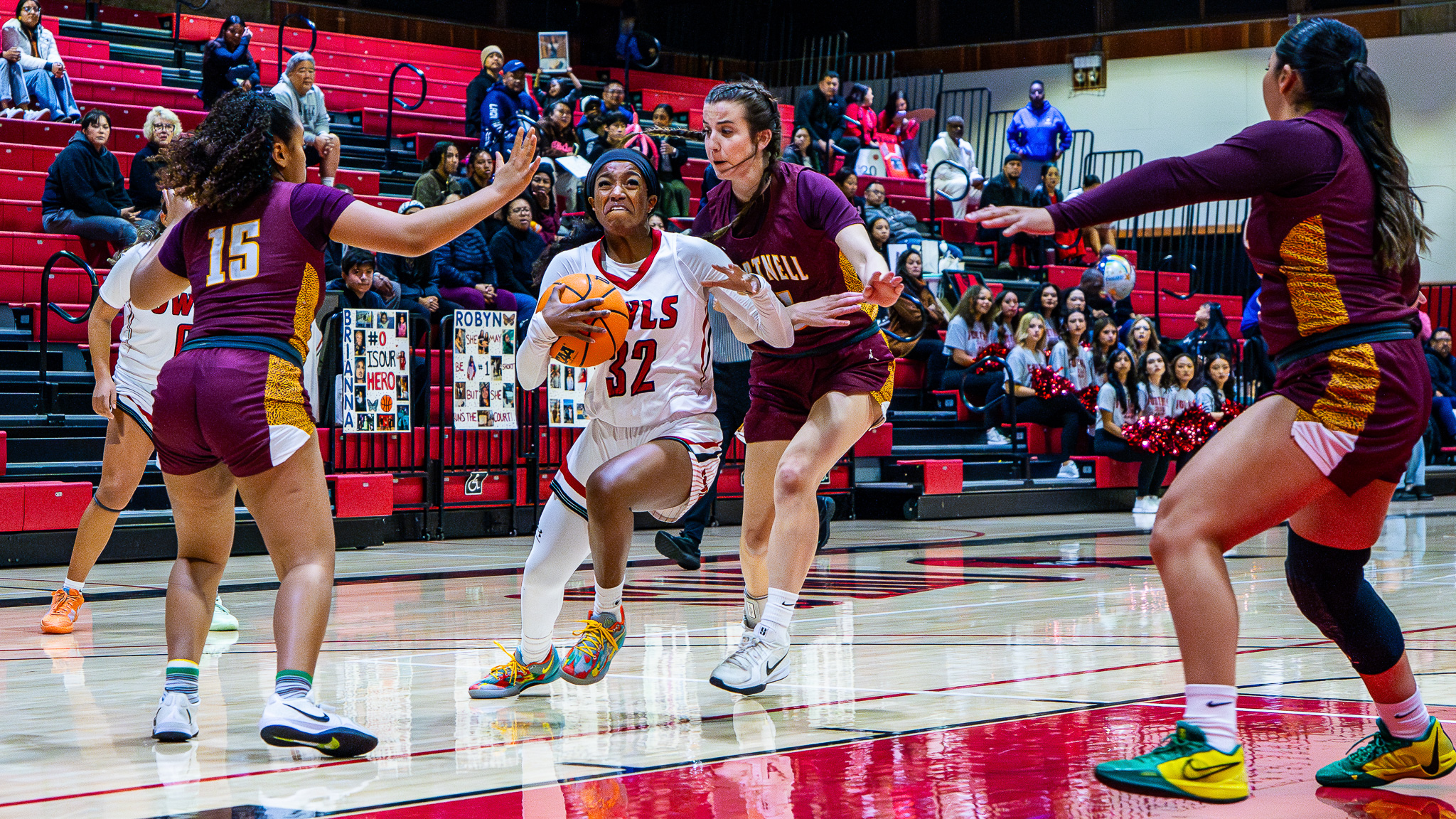
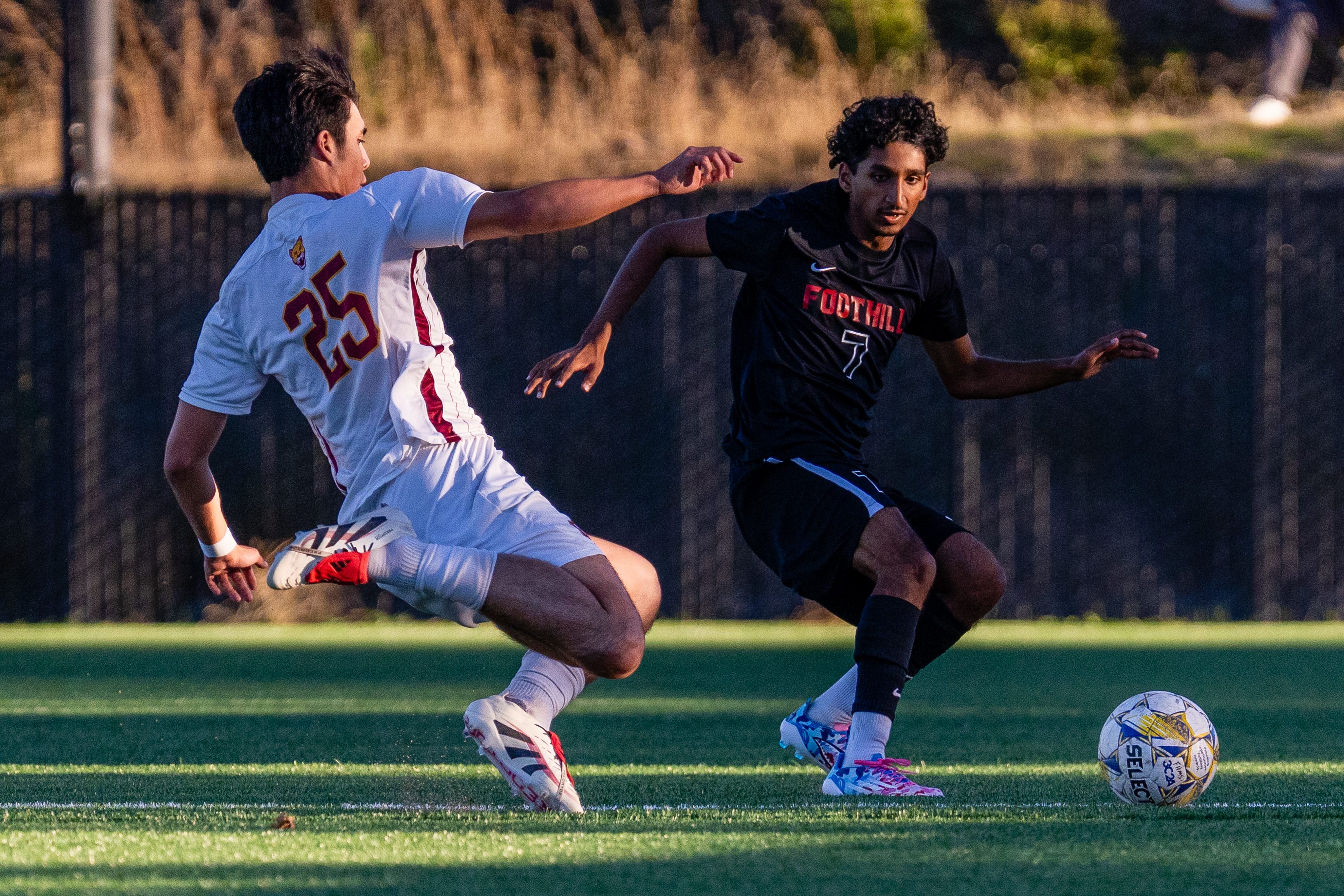
That assignment opened the door to new opportunities. Michael began photographing Foothill athletics, starting with soccer before expanding to basketball and other sports. He attended games on his own time, editing and sharing the photos with coaches and student-athletes simply because he enjoyed the challenge.
"I liked the action," he said. "It reminded me of photographing birds—except now the subjects were people."
As his portfolio grew, Walgren continued mentoring him, reviewing his work, offering technical advice, and encouraging him to pursue photography professionally. Eventually, she recommended that Michael apply for a student photographer position with Foothill's Marketing Department. He got the job, and what began as a student position quickly became one of the most important professional experiences of his time at Foothill.
Michael's first assignment with Marketing was simple in concept but expansive in practice: walk around the entire campus and photograph it. From there, his assignments grew to encompass nearly every aspect of Foothill's community and communications: graduation and award ceremonies, department events, President's Medal awardees, faculty, classified professionals, students, and college leadership. He photographed classrooms at the Sunnyvale campus, campus buildings and department offices for use on the college website, murals, and special events.
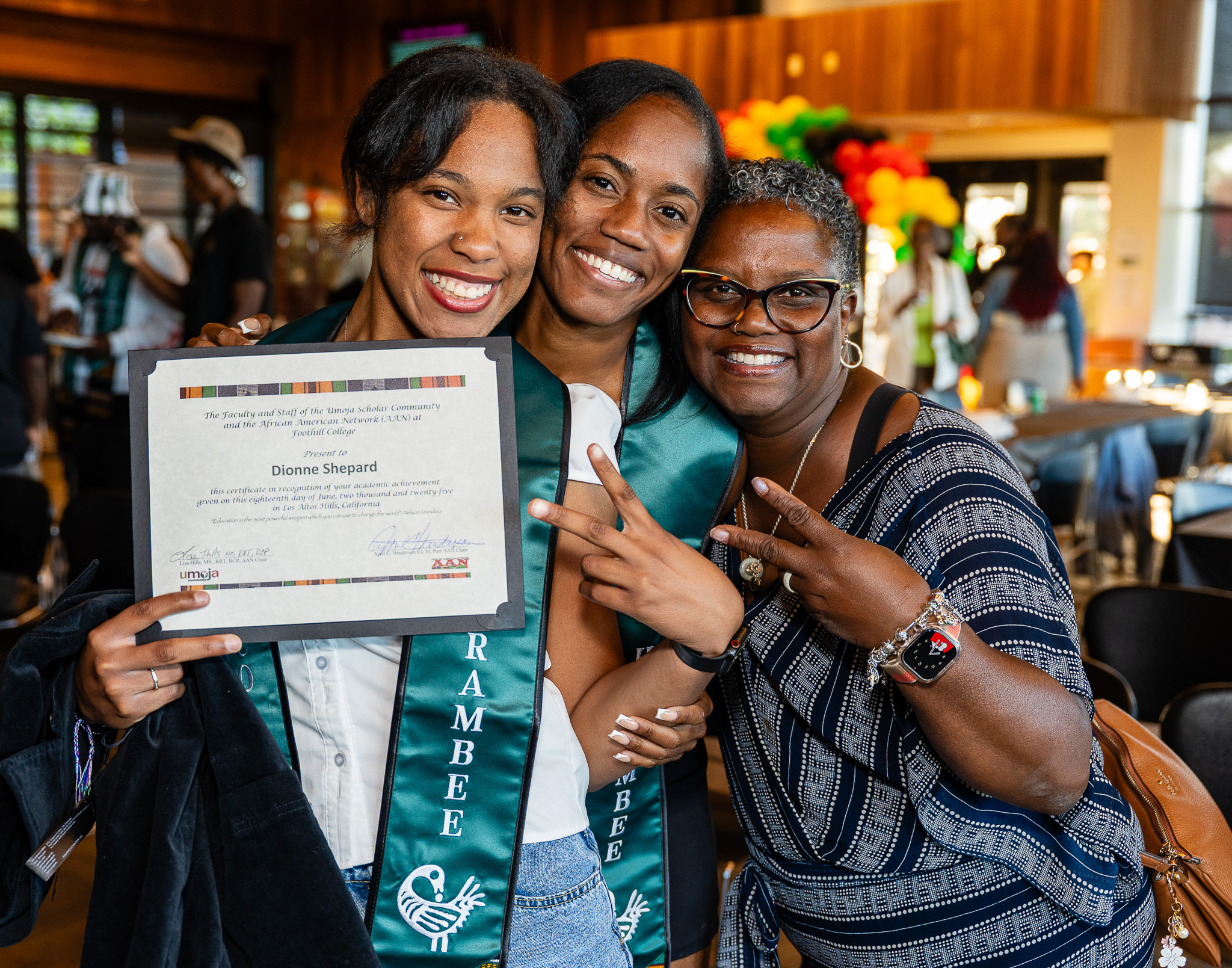
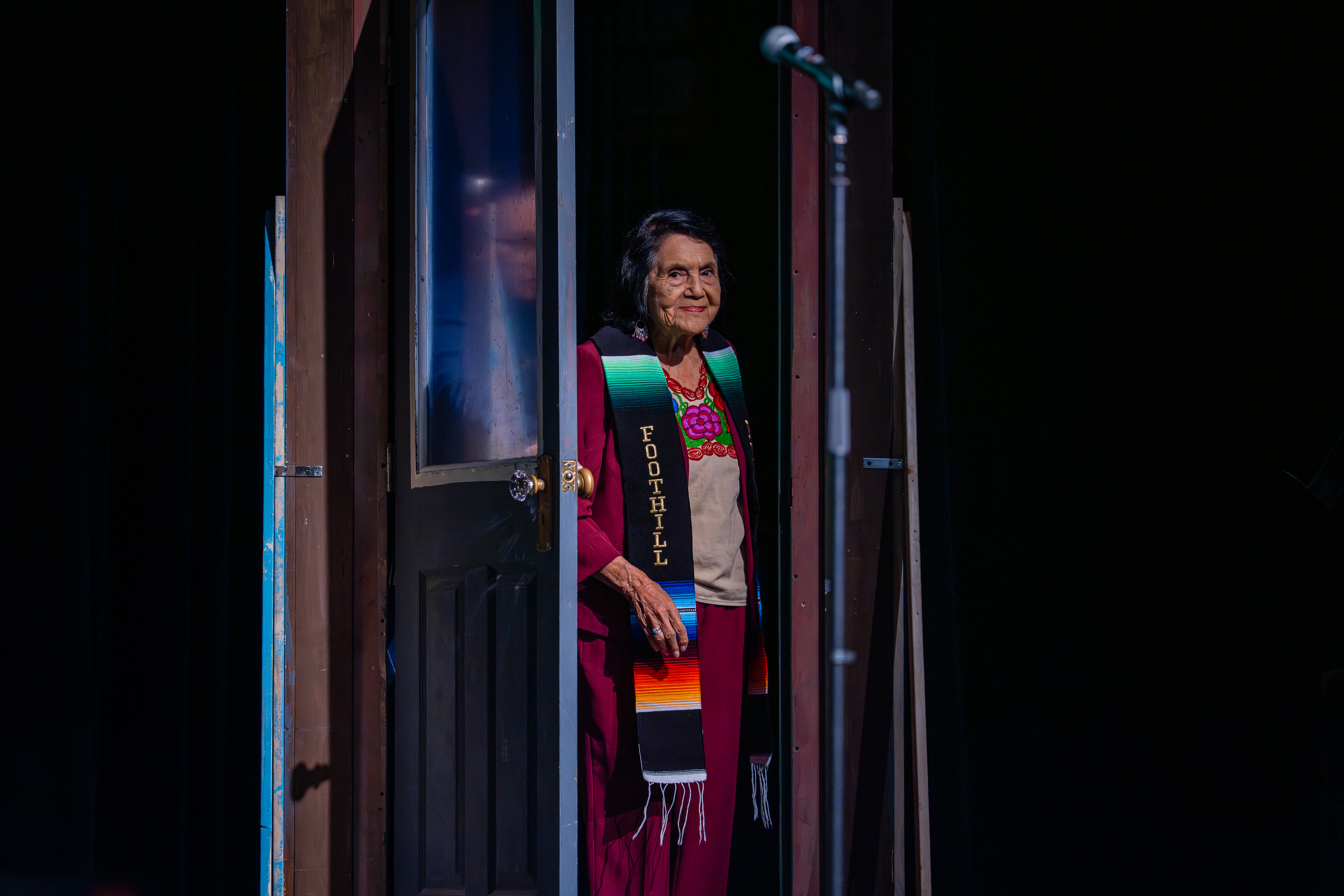
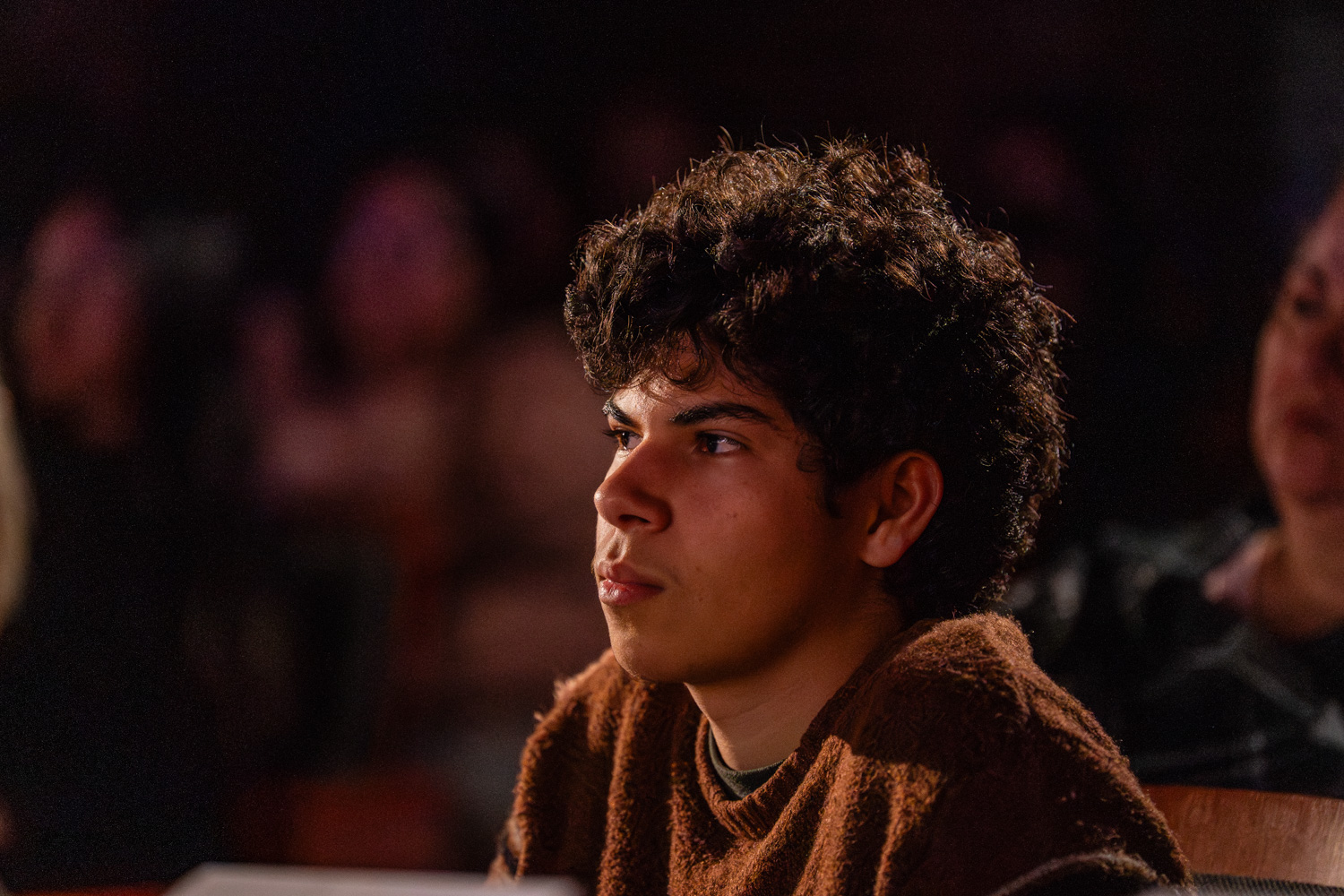
And while he enjoyed most of the assignments, his favorite was the Harambeé event, where he was able to capture more than people and nature; it was here that he had the opportunity to capture the energy of the celebration. Among countless memorable assignments that introduced him to different parts of the college community were photographing civil rights leader Dolores Huerta in the Smithwick Theatre as well as the Alumni Hall of Fame fundraiser.
But Michael was also learning how photography functions inside a professional communications operation, not simply how to take a good photograph. He worked closely with Marketing staff to plan photoshoots, coordinate schedules, choose locations, and determine what images would best serve a particular communication need. He helped select hero images for the college website and participated in website testing.
Perhaps most importantly, his growing experience taught him how to "talk to people and get them feeling comfortable and confident in front of the camera." That became an essential part of his development. Photographing faculty, students, administrators, and staff required him to quickly build rapport, understand what people needed from the experience, and create an environment where they felt comfortable in front of the camera.
He was also learning to work under real-world constraints, learning to quickly tone and edit photographs so he could meet tight deadlines. He became better at recognizing a strong image before releasing the shutter, anticipating what people might do next, and adapting to changing lighting conditions. And he was learning something equally important: how to work with people, and how to network.
Describing his time with the marketing team, Michael said that "everyone was extremely nice and treated me as a part of the team instead of a student who was working with them. I felt seen, respected, and valued my entire time working with them." That environment gave Michael the confidence to contribute ideas and speak up about how planning and photoshoots could be improved. He credits Edna Hernandez Amezcua with giving him the opportunity, Walgren with recommending him, and his colleagues with helping him grow.
"Simon Pennington has been an amazing boss and a joy to work with and talk to," Michael said. "Gera Robredo has done so much to help me see myself as a professional and I will always be grateful for him."
For Michael, the experience demonstrated that professional learning doesn't always happen through a textbook or a lecture. Sometimes it happens by being invited into the room, given responsibility, and trusted to do meaningful work.
The position also gave Michael something he couldn't get from a classroom alone: a professional portfolio. The photographs he created for Foothill became the foundation of his first portfolio, which ultimately helped him land freelance photography work. The experience also helped him secure a California Press Foundation Internship grant, through which he is interning as a photojournalist.
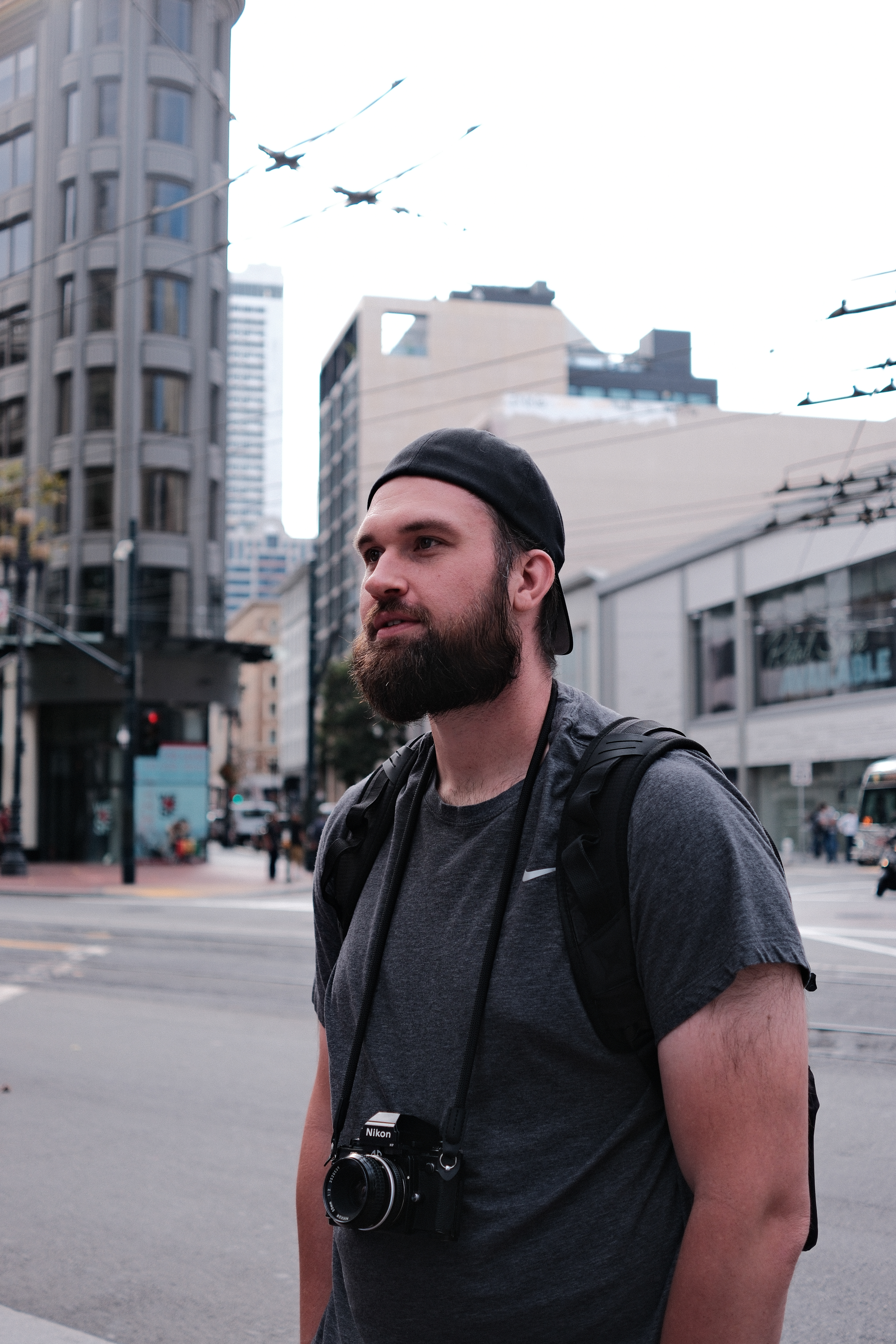
"All in all, this job has been the foundation of my career as a photographer," Michael said. "I've gained confidence photographing different types of opportunities that I've been able to translate into freelancing and photojournalism," he said.
Today, Michael photographs nearly every aspect of campus life and his images appear in college publications, social media, and marketing materials, helping tell the story of Foothill through the people who learn, teach, and work here. Ironically, the student who once avoided photographing people now spends most of his days documenting them. "I realized I actually enjoy photographing people," he said.
Michael credits much of his growth to the encouragement he found at Foothill thanks to Walgren and the Marketing team. Walgren believed in him before he really believed in himself, recognizing his potential and challenging him to step outside his comfort zone. That, combined with his work with the Marketing team, helped him establish his photographer self: He built a portfolio. He developed professional relationships. He learned to work under deadlines and communicate with clients and colleagues. He gained confidence. And he discovered that photography could be more than a way to cope; it could become a career.
Michael hopes to continue working in photography after leaving Foothill, carrying with him the skills, relationships, and confidence he developed on campus. Photography first helped Michael survive one of the most difficult chapters of his life. What began with a camera pointed at hummingbirds has become a career focused on telling the stories of a community—one frame at a time.
Cover portrait photo by Iris Zimmerman.
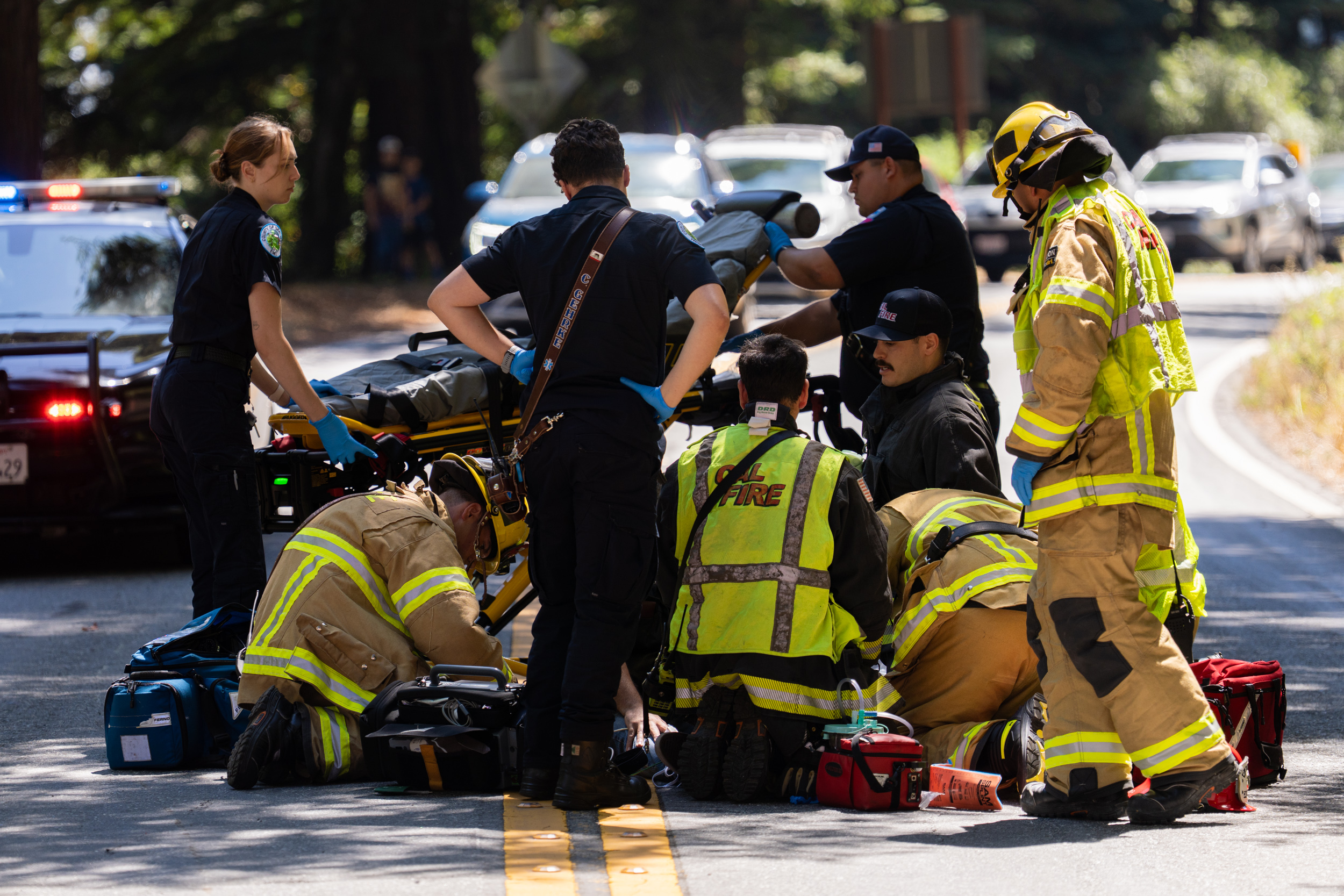
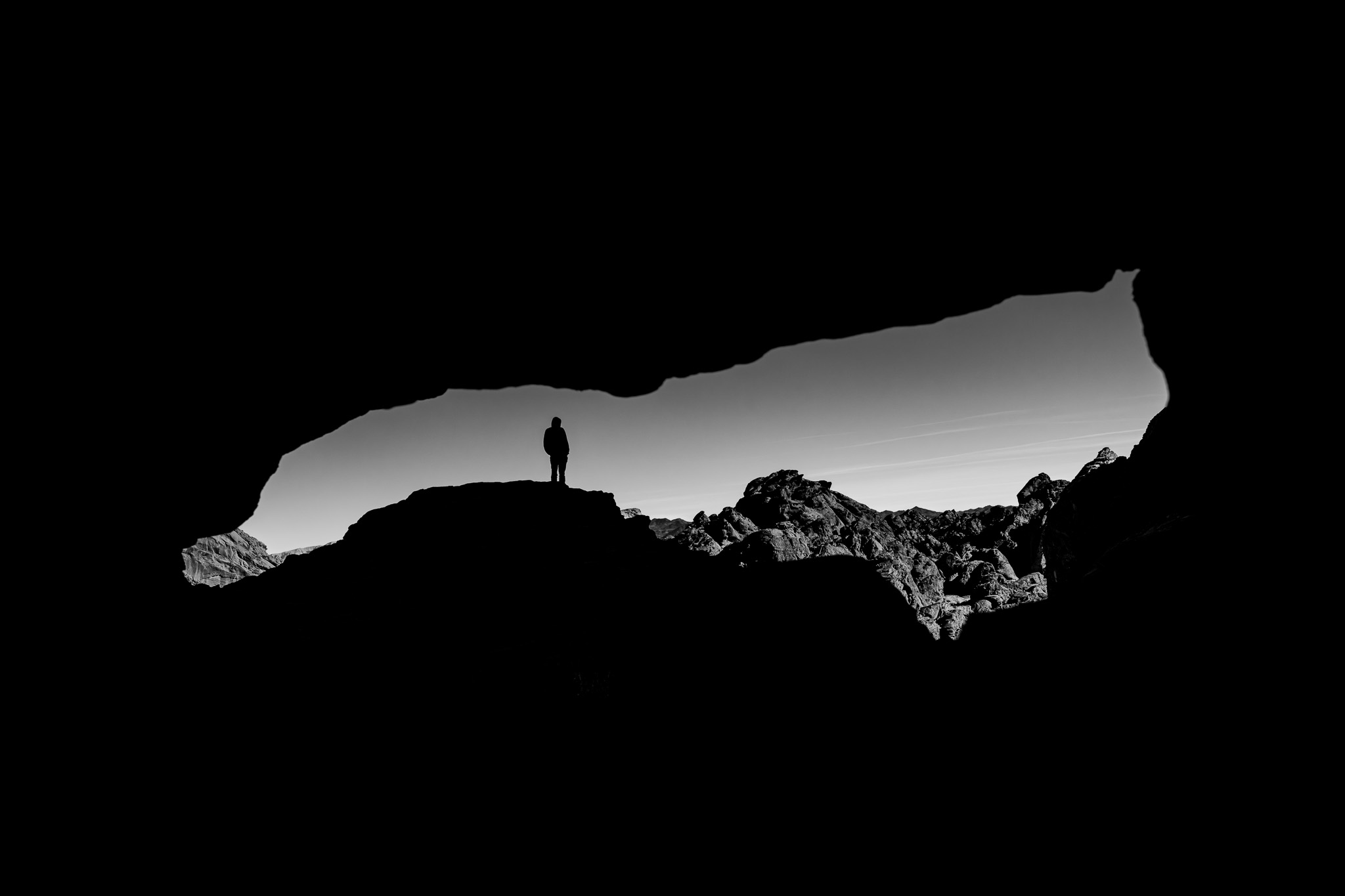
Please enjoy a selection of Michael's photographs:
1/7
2/7
3/7
4/7
5/7
6/7
7/7
