Sample Year in TTW
Sample Year in TTW: Curriculum & Course Descriptions
Application materials were first sent out on March 1, 2026 and will continue to be sent on a rolling basis to new interested students until April 30, 2026.
TTW is a one-year program designed to grow with students over time. The year begins by building community, comfort, and foundational skills, then gradually moves toward greater independence, responsibility, and real-world application.
This page shows a sample pathway through the program. Course offerings, sequence, and exact quarter placement may vary.
| Think of this as a sample year in TTW, not a rigid script. The goal is growth, not marching through a laminated checklist. |
Summer serves as a gentler entry point into the program. Students begin building community, routines, and self-understanding before the full in-person year begins.
Learning Styles & Strategies
Students explore learning preferences, values, and personal strengths in order to better understand how they learn and what supports help them succeed.
Social Skills
Students practice communication, emotional regulation, self-awareness, and relationship-building in a supportive environment.
Public Transit Skills
Students learn how to read transit maps, use transit apps, and plan independent travel around the Bay Area.
Creativity for Self-Regulation
Students use creative outlets such as art, music, journaling, and reflection to build emotional awareness and develop strategies for self-soothing and expression.
Physical Education
Students participate in accessible movement and wellness activities that promote regulation, lifelong fitness habits, and confidence.
Fall focuses on the foundations of college, communication, technology, and day-to-day success. Students begin adjusting to the pace of the program while building core habits and routines.
English That Works
Students develop practical reading and writing skills for real-world use in college, the workplace, and daily life. Emphasis is placed on clarity, confidence, and self-expression.
Communication for College & Career
Students build confidence in speaking, listening, writing, and self-advocacy across school, work, and everyday life.
Current Events
Students strengthen media literacy by exploring current issues, analyzing news stories, and discussing how the world around them affects their lives.
Academic Skills
Students work on organization, time management, task completion, and study strategies that support success in both academic and personal settings.
Introduction to Word Processing
Students learn to create, edit, and format professional documents while building confidence in writing for work and school.
Introduction to Spreadsheets
Students learn to organize information, build simple budgets, understand formulas, and use spreadsheets for practical everyday tasks.
Physical Education
Students continue building movement habits that support focus, regulation, physical health, and overall well-being.
Winter shifts toward application. Students deepen their digital fluency, build adult-life skills, and begin using what they have learned in more practical and professional settings.
Applied Computer Applications
Students build stronger digital skills through work with web-based tools, AI-supported technology, digital research, file management, and basic computer problem-solving.
Practical Financial Skills for Independent Living
Students develop skills related to budgeting, banking, spending, saving, and making informed financial decisions in real-world situations.
Responsible Citizenship in a Digital World
Students explore how to engage online safely, responsibly, and professionally while thinking critically about digital identity, communication, and media.
Work Attitudes & Behaviors on the Job
Students explore accountability, professionalism, reliability, workplace behavior, and the habits that support success in school and employment.
Academic Support and Strategy Building
Students continue strengthening the habits that support academic growth, including note-taking, self-monitoring, study routines, and preparation for more independent work.
Campus Work Experience
Students begin an on-campus job placement to explore their strengths, gain structured work experience, and practice entry-level professional skills in a supported environment.
Physical Education
Students continue developing wellness routines that support energy, regulation, and emotional balance.
Spring is the launch quarter. Students focus on employment, rights, relationships, independence, and preparing for the next step after TTW.
Job Search Skills
Students learn to write resumes, complete job applications, prepare for interviews, and present themselves professionally.
Disability & the Law
Students explore disability rights in education and employment, including major laws, self-advocacy, and the history of the disability rights movement.
Healthy Relationships
Students build skills related to communication, boundaries, self-esteem, safety, and healthy interaction in personal, social, and professional relationships.
STEM Careers for Neurodivergent Adults / Applied Problem Solving
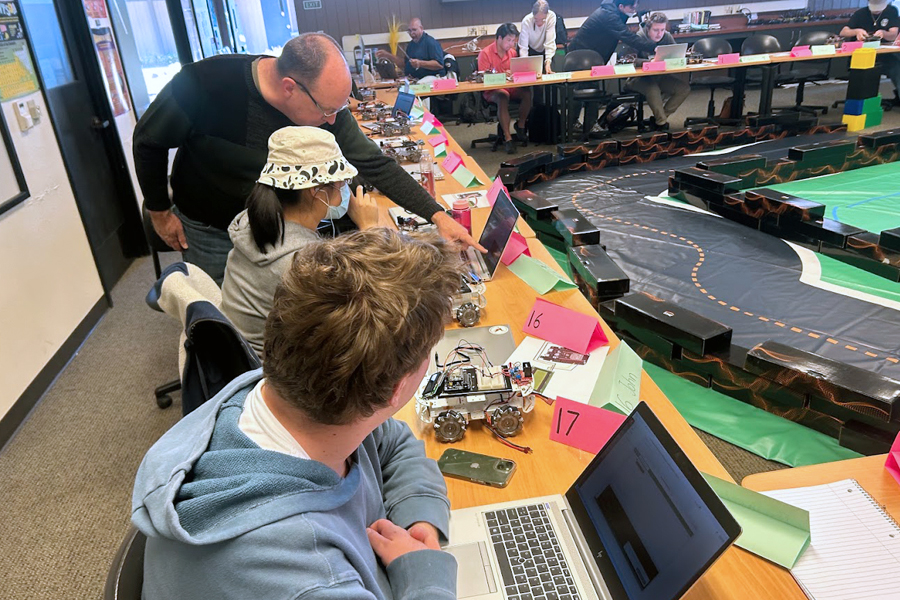
Students engage in hands-on, team-based work such as robotics and technical projects while exploring STEM-related career pathways and collaborative problem-solving.
Independence Skills
Students strengthen decision-making, time management, self-advocacy, planning, and other habits needed for adult life.
Physical Education
Students continue movement-based routines that support flexibility, health, confidence, and independence.
Important Notes
|

Contact Us
Ben Kaupp
Student Resource Center Building 5400
TTW Program
408.874.6380
kauppben@fhda.edu
